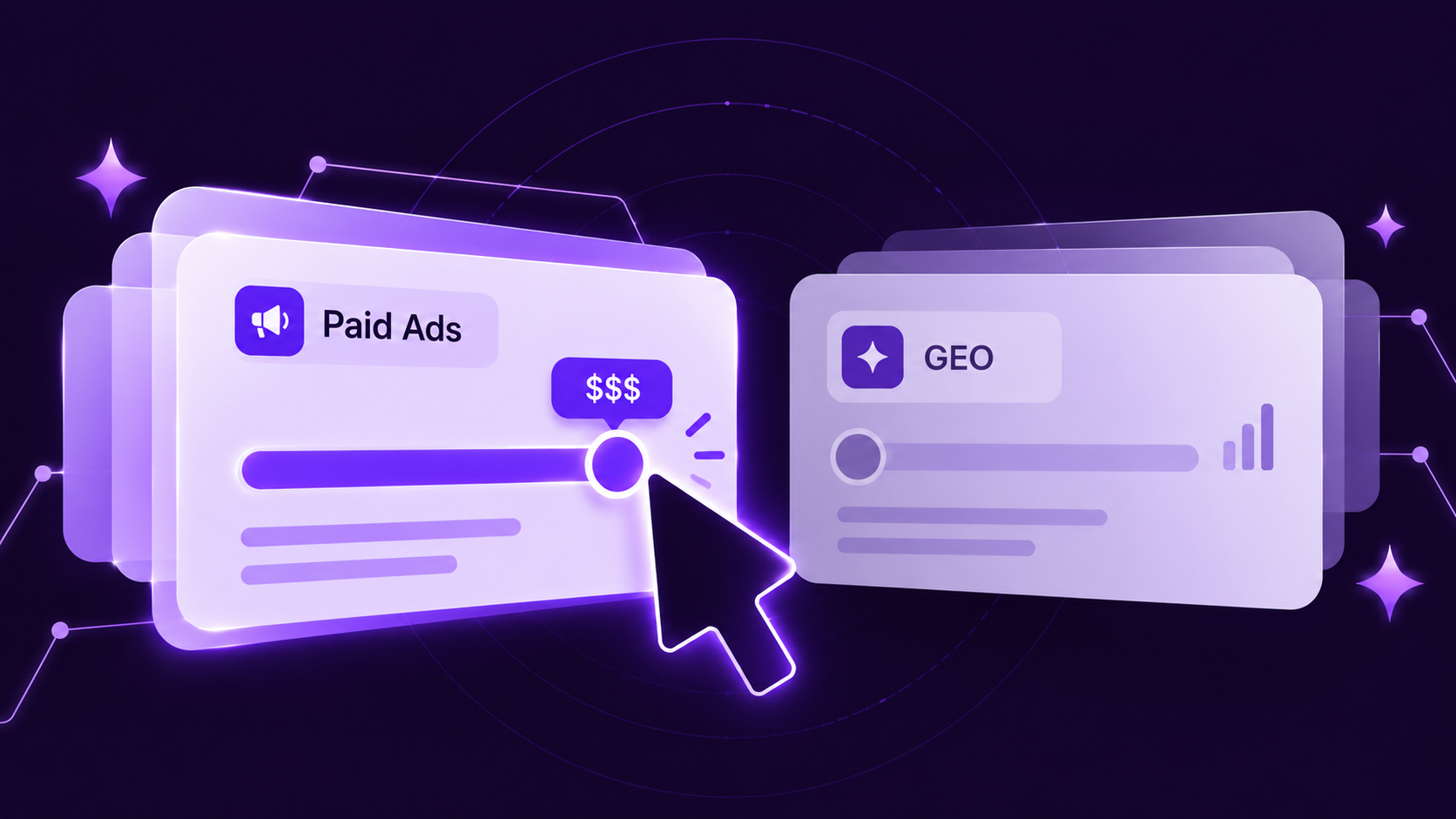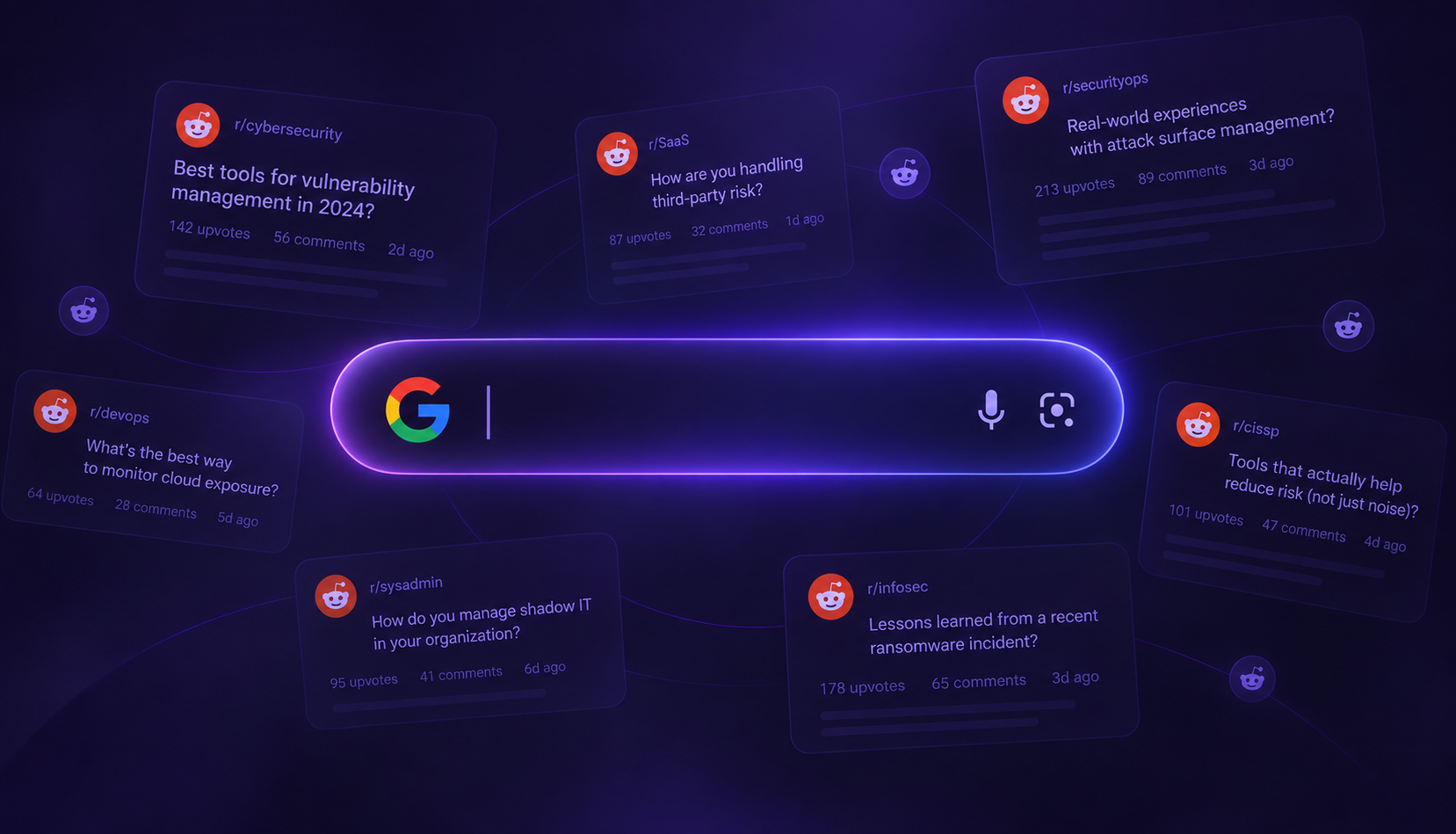
Claude will not carry ads. Anthropic said so directly, and it changes how brands need to think about visibility inside it. Here is why Claude stays ad-free, how it decides which brands to mention, and what that means for your GEO strategy.
Why Is Claude Ad-Free?
On February 4, 2026, Anthropic published “Claude is a space to think,” a public commitment that Claude will remain ad-free. No sponsored links next to conversations. No advertiser influence on responses. No third-party product placements users did not ask for.
The reasoning is direct. Ad-supported products create an incentive to optimize for engagement and time spent, not usefulness. Anthropic said the most helpful answer is often a short one, and that conflicts with what keeps people scrolling. Claude conversations also skew personal. A meaningful share involve sensitive or work-critical topics, and ads inside that context would feel wrong.
The timing matters. Anthropic's pledge landed within days of OpenAI announcing ads for ChatGPT. The two companies are making a different bet on the same question. Anthropic's revenue leans heavily on enterprise and API customers, which gives it room to skip the ad model that a more consumer-heavy business might feel pressure to adopt.
One distinction is worth holding onto: the pledge covers Claude the product. Anthropic advertising itself through conventional channels is a separate thing entirely and does not contradict it.
How Claude Chooses Which Brands to Recommend
With no paid placement, every brand mention inside Claude is earned, not bought. That makes the mechanics of how Claude picks sources the whole game.
Claude cites specific text spans, not general reputation. Its citation layer works at the sentence level, pulling from direct fetch and Research mode as well as standard web search.
It favors deep, specific pages over homepages. In independent citation analyses, homepages made up a small fraction of what Claude actually cites, while blog and documentation paths made up most of it.
It leans toward niche, authoritative sources over mainstream news domains when the topic is technical or category-specific.
Anthropic's constitution update earlier this year pushed Claude toward presenting multiple options rather than one confident pick, and toward admitting when it lacks data. A single-brand recommendation is harder to earn now, but it carries more weight when it happens.
The practical takeaway: Claude rewards depth and structure over volume. Fewer, stronger citations beat a wide spread of thin content.
How Brands Can Increase Visibility in Claude
Since there is no ad layer to buy into, visibility work in Claude is entirely a content and citation exercise.
Publish specific answer pages, not just navigation or homepage content. Use-case pages, comparisons, and problem-specific pages get cited far more often than a front door ever will.
Structure for extractability. Clear H2/H3 hierarchy, tables, and a direct answer near the top of each section make content easier for Claude to pull from cleanly.
Earn coverage on the domains Claude already cites in your category. Editorial placements and third-party mentions move Claude's picture of a brand more than more content on your own site.
Keep information consistent and current. Conflicting specs or pricing across your own site and third-party sources make Claude discount all of it.
This is the same discipline GEO has always demanded, just with a citation engine that is unusually selective about what it trusts.
How to Measure Brand Visibility in Claude
Three layers matter, and they are not the same measurement.
Presence: does Claude mention the brand at all for relevant prompts. Easiest to track, least informative alone.
Framing: how Claude describes the brand when it does mention it, and whether that description reflects current positioning.
Citation sourcing: which third-party domains Claude is actually pulling from to build its picture of the brand. This is the layer that drives the other two.
A useful baseline is a fixed set of category, comparison, and problem-specific prompts, run consistently over time, with the cited domains logged alongside the answer itself.
How GeckoCheck Tracks Your Brand Visibility in Claude
This is what Geckocheck was built for. It tracks how Claude, alongside other AI engines, mentions and cites your brand, and turns that into a prioritized content plan instead of a static report.
Mention and citation tracking across the prompts your buyers actually run.
A live view of which domains Claude is citing in your category, so content and outreach can target the sources that already move the needle.
Content recommendations that close specific citation gaps, not generic volume targets.
For more on how the broader shift from paid to organic AI visibility is playing out across platforms, see our piece on how LLM advertising is reshaping digital marketing, and our breakdown of the content pillars that earn AI citations.
FAQ
Does Claude have ads?
No. Anthropic has publicly committed to keeping Claude ad-free, with no sponsored links, no advertiser influence on responses, and no unrequested product placements.
Will Claude ever add ads?
Anthropic has framed this as a structural choice, not a temporary one, and has tied it to how the company makes money today. That could change, but nothing public points that direction right now.
If Claude has no ads, how do brands get mentioned?
Entirely through organic citation. Claude pulls from web search, direct fetch, and Research, and cites the specific sources it trusts. There is no paid path in.
How is this different from ChatGPT or Gemini?
Both OpenAI and Google have moved toward ad formats inside their AI products. Claude is the one major platform holding the line at zero. For more background, see coverage of Anthropic's ad-free pledge.