GeckoCheck

Resource center

Your hub for GEO insights, expert articles, and downloadable guides.
Glossary

Speak the language of AI search

Key terms and concepts every team should know when navigating the shift from SEO to GEO.

GEO (Generative Engine Optimization)

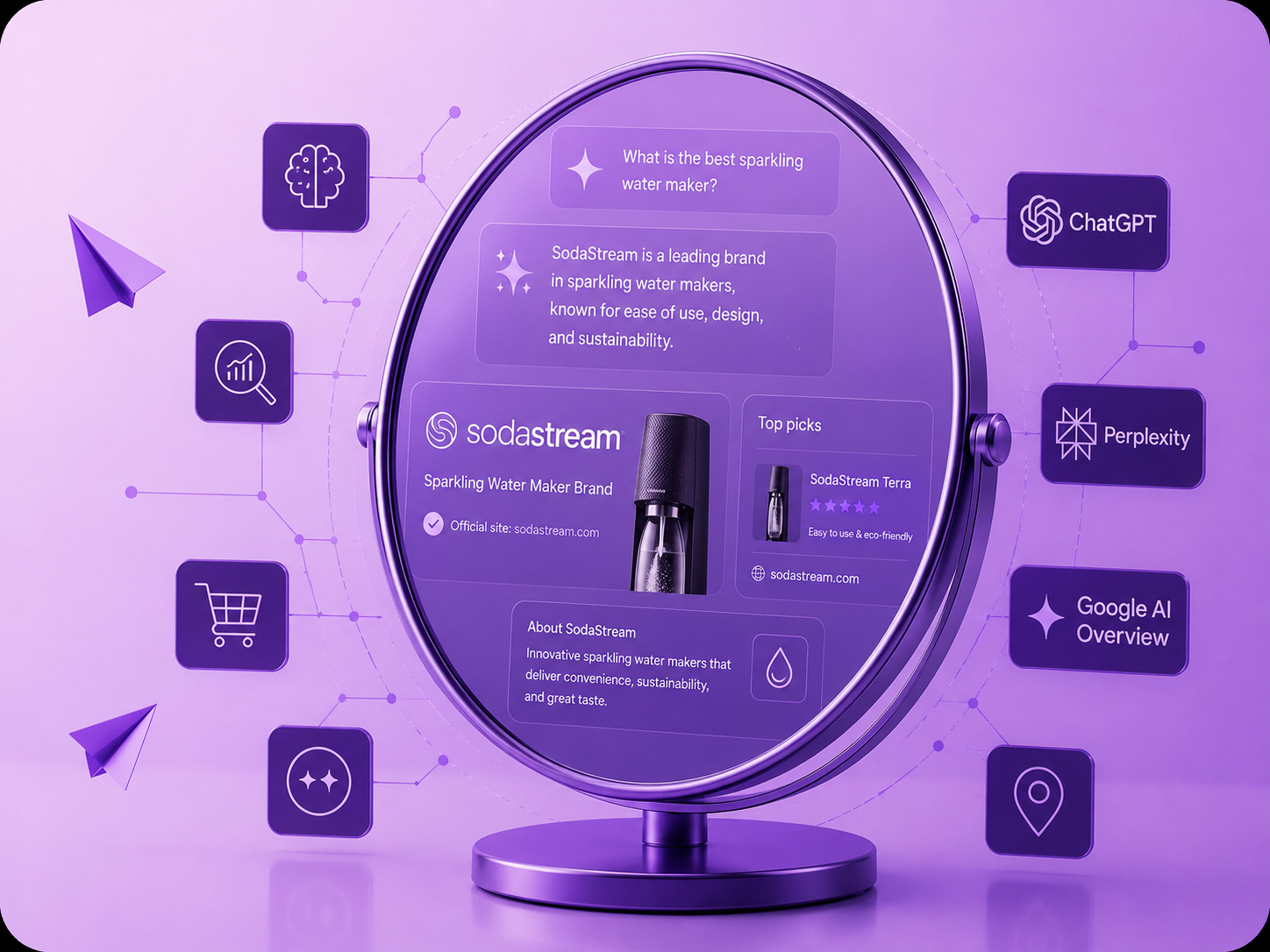
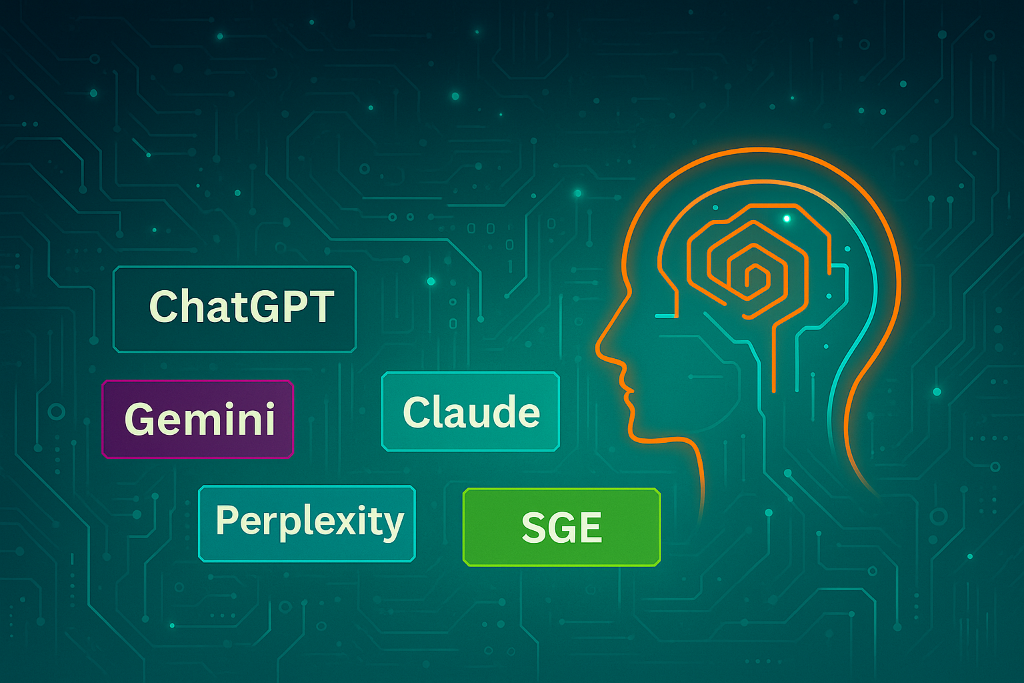
The practice of optimizing content so AI systems like ChatGPT, Gemini, and Claude cite and recommend it. GEO replaces the ranking question with a citation question. Instead of asking where a page sits on a results page, GEO asks whether a model trusts that page enough to reference it inside an answer.

AEO (Answer Engine Optimization)

A term some in the industry use alongside GEO to describe the same work. At Geckocheck we treat AEO and GEO as one discipline and use GEO as the umbrella term, since splitting them into two categories adds a label without adding a real distinction.

SVO (Shopping Visibility Optimization)

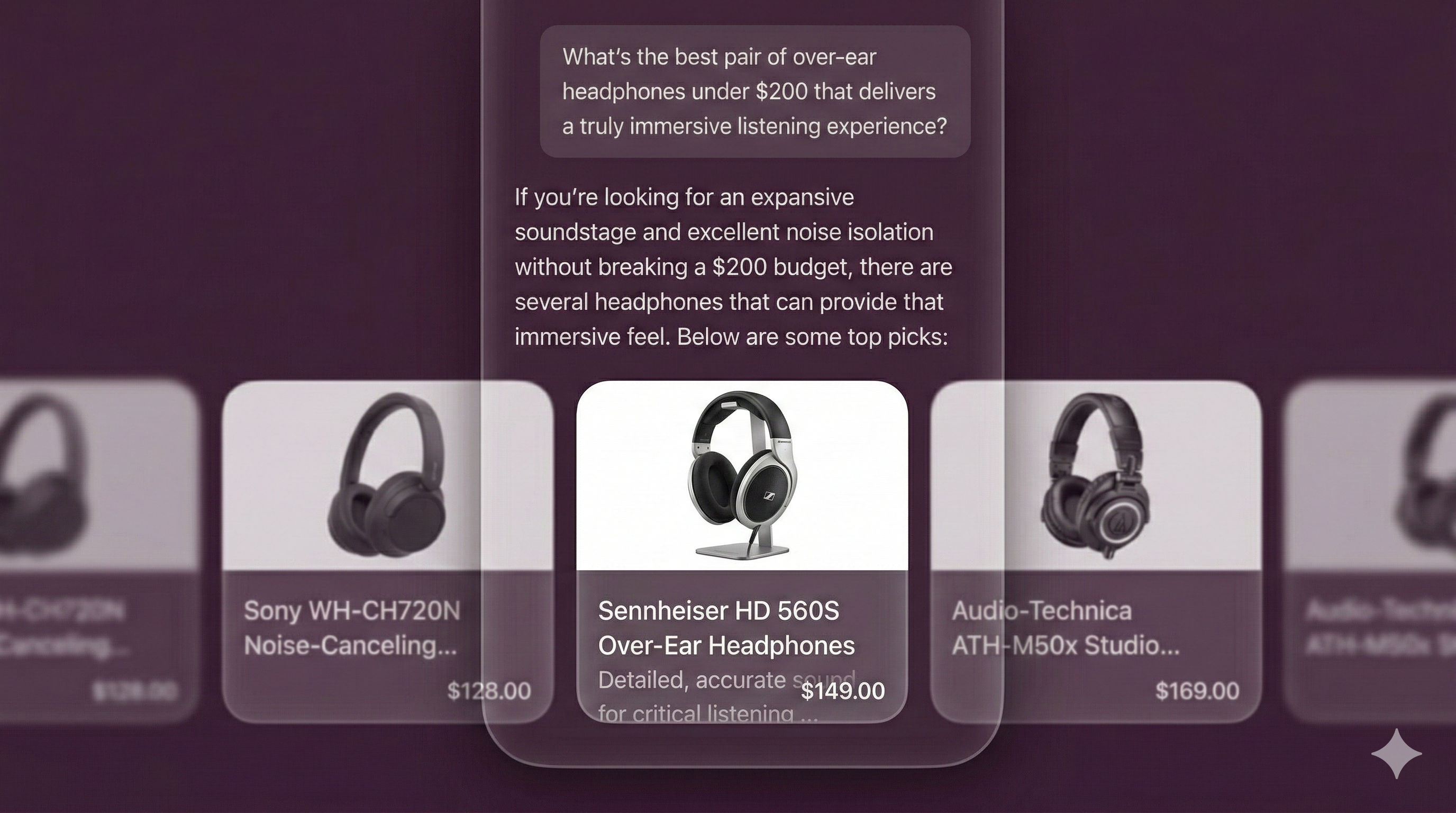
The application of GEO to product discovery. Geckocheck coined the term to describe how brands get found, evaluated, and recommended by AI shopping agents, not just AI chatbots. SVO covers product data accuracy, catalog structure, and the signals that let an agent complete a purchase on a buyer's behalf.

AI Search

Search powered by AI models that answer a question directly instead of returning a list of links. The person asking never has to click through to find the answer, which means a brand has to earn its place inside the response itself, not just alongside it.

LLM (Large Language Model)

The technology behind ChatGPT, Claude, and Gemini. An LLM is trained on enormous amounts of text and learns to predict the most likely next word in a sequence. That prediction process is what lets it write, summarize, and answer questions, and it is also the root of why it sometimes gets things wrong.

RAG (Retrieval-Augmented Generation)

A method that gives a model access to current information before it answers, instead of relying only on what it learned during training. RAG is why a model can reference today's pricing or a product's current spec sheet rather than something from an outdated training snapshot.

AI Hallucination

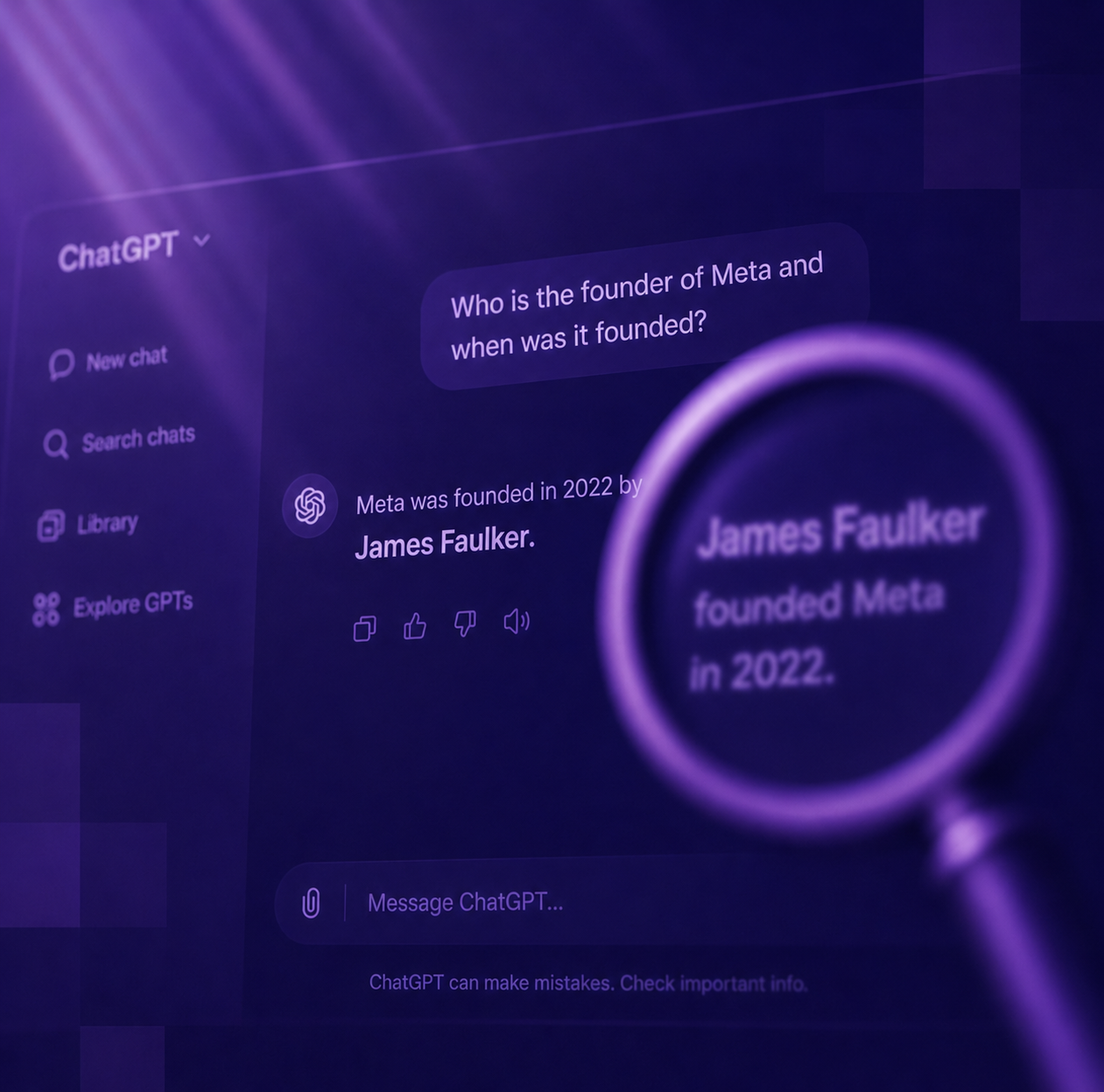
A response that states something false as if it were verified fact. It happens because a model is predicting likely words, not checking a database. For a brand, this shows up as a wrong price, an invented feature, or a discontinued product presented as still available.

Citation Rate

How often an AI model references a specific brand or domain when answering questions in its category. A rising citation rate means a brand's content is becoming a source the model trusts. A flat or falling rate is a signal to look at content freshness and third-party coverage.

Presence Score

A measure of how often a brand shows up at all across AI-generated answers, regardless of whether it is cited, recommended, or just mentioned in passing. Presence is the easiest metric to track, but on its own it does not say how the brand is being described.

AI Overview

Google's AI-generated summary block that appears above traditional search results. It answers the query directly, often without a click, which is why the content strategy behind ranking well in it looks a lot like GEO.

Agentic Commerce

Purchases and bookings that an AI agent completes on a person's behalf, from product discovery through checkout. As this grows, a brand's visibility depends less on someone browsing a site and more on whether the agent's data sources trust that brand's information.

Prompt

The question or instruction a person gives an AI model. How a prompt is phrased shapes what the model retrieves and how it answers, which is why understanding real buyer prompts, not just keywords, matters for a GEO strategy.

NLP (Natural Language Processing)

The branch of AI focused on understanding and generating human language. NLP is what lets a model grasp what someone actually means, not just the words they typed.

Machine Learning (ML)

A subset of AI where a system learns patterns from data instead of following rules a person wrote by hand. Most of what powers AI search, from ranking to summarization, runs on machine learning underneath.

Generative AI

AI that creates new content, text, images, or audio, based on patterns it learned from existing data. ChatGPT, Claude, and Gemini are all generative AI tools. That is the technology category. GEO is the discipline of getting a brand visible inside it.

GPT (Generative Pre-trained Transformer)

A specific type of LLM architecture, and the name behind OpenAI's model family. It is pre-trained on large volumes of text to learn language patterns, then adjusted to hold a conversation or answer a question directly.

Structured Data

Markup added to a webpage that tells search engines and AI models exactly what a piece of content represents: a product, a price, an author, a date. Clean structured data makes it easier for a model to extract a fact correctly instead of guessing at it.

Entity

A specific, identifiable thing, a person, a company, a product, a place, that an AI model can recognize and connect information to. Strong entity clarity is part of why some brands get cited confidently and others get described vaguely or incorrectly.

Brand Sentiment

How positively, negatively, or neutrally an AI model frames a brand when it mentions it. Two brands can have the same citation rate and completely different sentiment, which is why presence alone is an incomplete measure of visibility.

HITL (Human-in-the-Loop)

An approach where a person reviews or guides an AI system's output before it goes live. HITL is what catches the gap between an AI-generated draft and content that is actually ready to publish. Even a good model does not yet replace an editor's judgment.

We use cookies

We use cookies to enhance your browsing experience, serve personalized content, and analyze our traffic. By clicking "Accept All", you consent to our use of cookies. You can manage your preferences or learn more about our cookie policy.