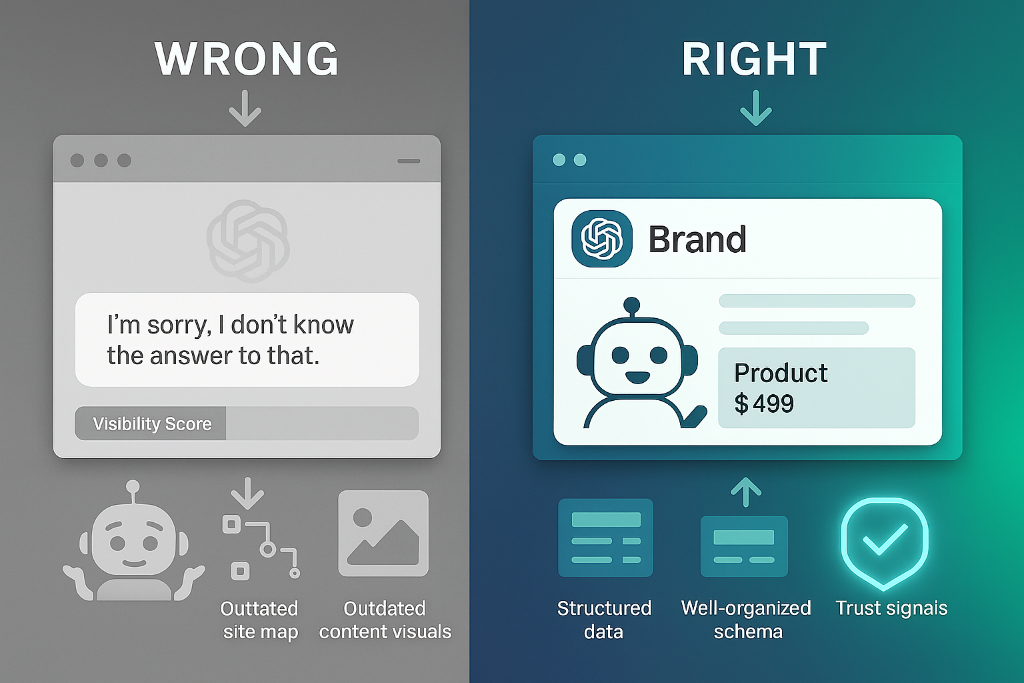
The shift to AI-driven discovery means service providers—from plumbers and law firms to consultants and clinics—must optimize for how AI engines find, interpret, and recommend businesses. This guide gives you the technical playbook for increasing your brand's visibility across platforms like ChatGPT, Gemini, Perplexity, Claude, and SGE.
1. Optimize for Local Clarity
Implement structured address data using schema.org/LocalBusiness. Add JSON-LD markup to your homepage or location pages:
<script type="application/ld+json">
{
  "@context": "https://schema.org",
  "@type": "LocalBusiness",
  "name": "CleanFlow Plumbing",
  "address": {
    "@type": "PostalAddress",
    "streetAddress": "1234 Pipe St",
    "addressLocality": "Austin",
    "addressRegion": "TX",
    "postalCode": "78701"
  },
  "telephone": "+1-512-555-0123",
  "geo": {
    "@type": "GeoCoordinates",
    "latitude": "30.2672",
    "longitude": "-97.7431"
  }
}
</script>
Each service area should have its own page like /plumbing-austin-tx, /plumbing-round-rock-tx, etc., with embedded maps and localized structured data. Example snippet:
<h1>Plumbing Services in Austin, TX</h1>
<p>Fast, affordable plumbing in the heart of Austin. 24/7 availability.</p>
<iframe src="https://www.google.com/maps/embed?..." loading="lazy"></iframe>
2. Establish Expertise with Authoritative Content
Structure your website to follow a semantic content model:
/services/– Overview page/services/consulting/– Primary service/services/consulting/faq//services/consulting/case-study-acme/
Ensure all key pages include consistent H1-H3 tags and meta descriptions:
<title>Business Consulting in Denver | NextPhase Consulting</title>
<h1>Expert Business Consulting Services</h1>
<h2>How We Help Your Business Grow</h2>
Include schema.org markup for Person and Organization:
<script type="application/ld+json">
{
  "@context": "https://schema.org",
  "@type": "Person",
  "name": "Jane Doe",
  "jobTitle": "Lead Consultant",
  "affiliation": {
    "@type": "Organization",
    "name": "NextPhase Consulting"
  },
  "sameAs": [
    "https://www.linkedin.com/in/janedoe",
    "https://nextphaseconsulting.com/about"
  ]
}
</script>
3. Build Trust Through External Signals
Aggregate and display third-party reviews using Review schema:
<script type="application/ld+json">
{
  "@context": "https://schema.org",
  "@type": "Review",
  "author": {
    "@type": "Person",
    "name": "Sarah L."
  },
  "reviewRating": {
    "@type": "Rating",
    "ratingValue": "5",
    "bestRating": "5"
  },
  "reviewBody": "Excellent service, very professional and on time!"
}
</script>
Use Google Business Profile and Yelp API integrations. Example Yelp API fetch in Python:
import requests

headers = {"Authorization": "Bearer YOUR_YELP_API_KEY"}
response = requests.get("https://api.yelp.com/v3/businesses/your-business-id/reviews", headers=headers)
reviews = response.json()
4. Align Your Digital Identity Everywhere
Use tools like Moz Local or BrightLocal to verify your business information is identical across directories. Fix any discrepancies in:
- Business name
- Address formatting
- Phone numbers
Search your brand across major directories and correct or consolidate inconsistent entries that may confuse AI-generated knowledge graphs.
5. Strengthen AI-Credible Backlinks
Acquire backlinks from authority directories. Prioritize:
- Industry-specific directories using structured schema
- Local chamber of commerce listings
- .edu or .org partnerships
Work with blogs, local news, or influencers to publish bylined content that links contextually to your service pages. Include business citations with NAP details.
6. Track and Improve Your GEO Performance
Use tools like spaCy or Google Cloud NLP to test how your brand is recognized:
import spacy
nlp = spacy.load("en_core_web_sm")
doc = nlp("NextPhase Consulting provides business strategy in Denver")
print([(ent.text, ent.label_) for ent in doc.ents])
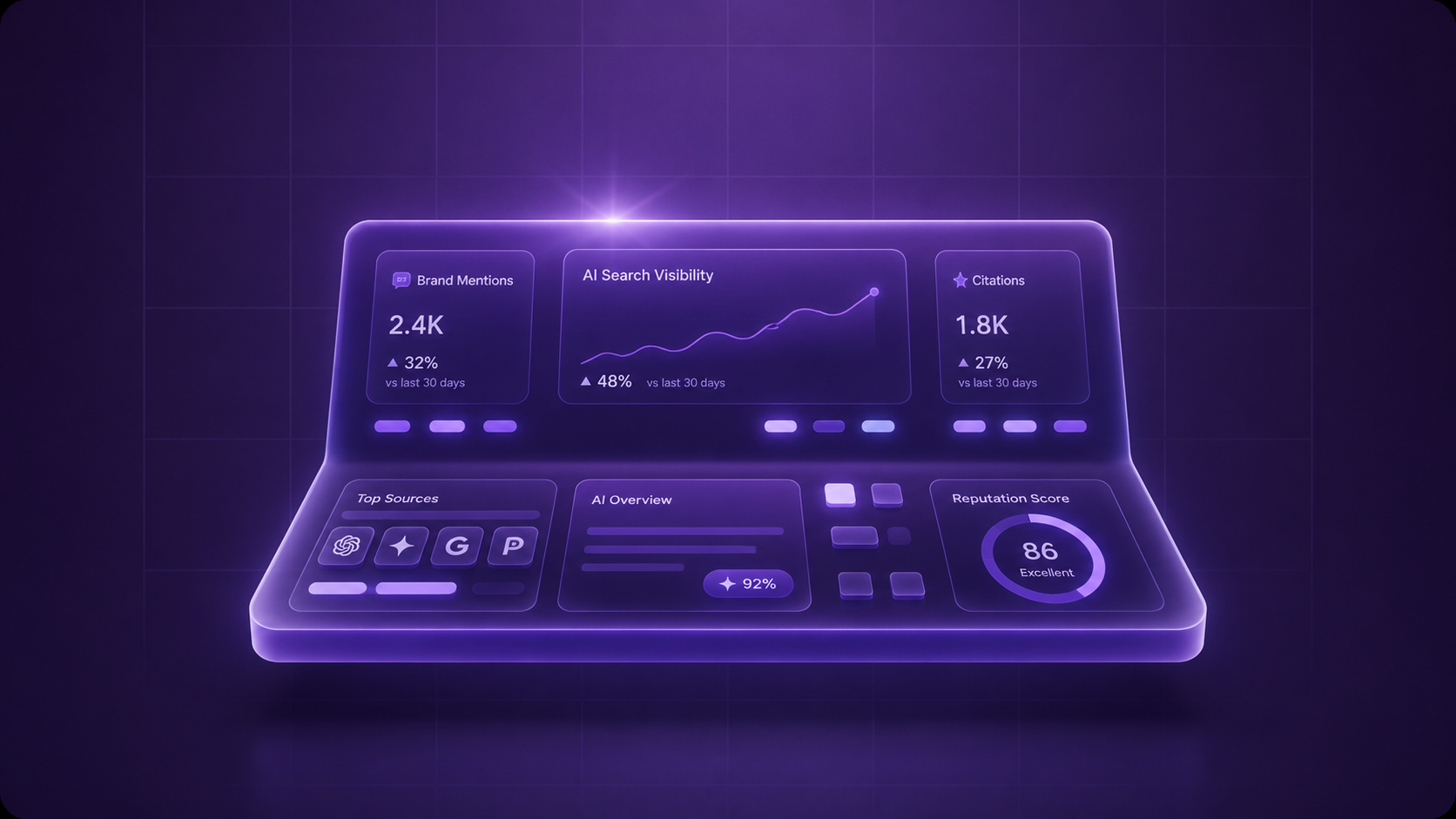
Track how your brand performs in AI-generated answers with GeckoCheck:
- Presence Score – How often your brand appears across engines
- Citation Rate – % of answers citing your brand
- Sentiment Score – Positivity of mentions
- Accuracy Score – Factual correctness of your representation
- AI-CTR – Click-through from AI summaries to your site
Final Thought
AI is changing how people choose providers. GEO isn't just SEO with a twist; it's a new discipline grounded in structured data, NLP readiness, and AI credibility. Start with the technical fundamentals above, measure consistently, and refine based on how engines actually represent your brand.