High-intent prompts are the questions people type into an AI assistant when they are close to buying, not browsing. Someone asking ChatGPT to compare two products by price and availability has already decided to act. This piece covers what makes a prompt high-intent, why the long, specific ones matter most, and how a brand shows up when it counts.
Key Takeaways Q: What is a high-intent prompt? A: A prompt that names a specific product, comparison, or decision, not a general topic. It signals the person is ready to act, not still researching. Q: How is a high-intent prompt different from a high-intent keyword? A: The signal is identical. Only the format changed, from two or three words in a search box to a full sentence typed into an AI assistant. Q: Why do longer, more specific prompts matter more in AI search? A: The more detail someone gives an assistant, the closer they are to deciding, and the more precisely a brand can be matched to what they typed. Q: How does GEO connect to high-intent prompts? A: GEO is the work of making sure your brand's data is structured and verified enough that AI systems can match it to these buying-ready prompts and recommend it by name. |
|---|
Intent Didn't Disappear. It Moved Into the Prompt.
Search intent has always split into three buckets. Navigational, when someone wants a specific site. Informational, when someone wants to learn something. Transactional, when someone is ready to act. That framework still holds.
What changed is where the transactional moment happens. It used to happen in a search box, in two or three words. Now it happens inside a conversation with an AI assistant, in a full sentence.
“Buy Brooks Ghost 16 size 10” used to be a keyword. Today the same buyer shows up differently: “I need running shoes for flat feet, under $150, in stock this week.” Same readiness to buy. Different format entirely.
What Makes a Prompt High-Intent
A handful of signals repeat across high-intent prompts, whether they land in a search bar or an AI chat window:
Purchase language: buy, price, cost, deal, in stock
Local or immediate language: near me, open now, delivery by Friday
Decision language: compare, best for, alternative to, book a demo
Specificity: a named product, size, budget, or timeline, not a broad category
A prompt with two or three of these signals stacked together is not someone exploring options. It is someone close to a decision, and the brand that gets named back in that moment usually wins the sale.
Why Long, Specific Prompts Signal Buying Readiness
The longer and more specific the prompt, the closer the person already is to a decision. A one-word search is curiosity. A two-sentence prompt naming a budget, a size, and a delivery window is someone who has already moved past browsing.
This is showing up in the data. AI-referred traffic to U.S. retail sites converted 42% better than non-AI traffic in March 2026, a full reversal from converting 38% worse the year before, per Adobe Analytics. Shoppers who arrive through an AI assistant are further along than shoppers arriving any other way.
The research phase is stretching too. Finance queries saw the sharpest jump in commercial-intent AI answers, up 231% over six months, according to Semrush. The longer a category's research stage runs, the more room an AI answer has to shape the outcome before a person ever lands on a website.
How to Find the High-Intent Prompts That Matter to Your Brand
Start from the action, not the topic. List what you want a customer to do, then the words they would use at that exact moment.
Mine what you already have. Support tickets, sales call questions, and on-site search queries are full of real buying language.
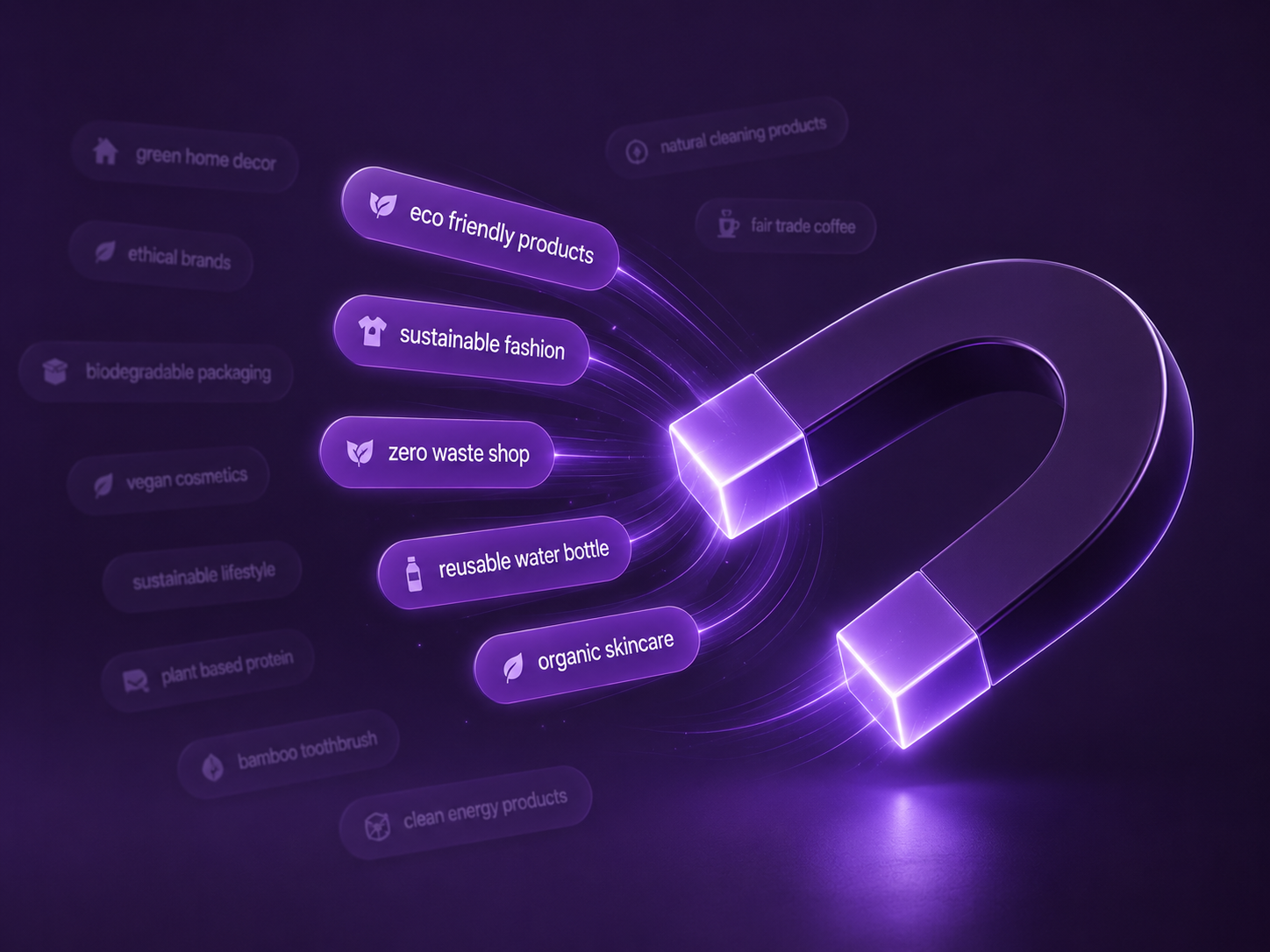
Layer on the modifiers. Add price, availability, comparison, and timing words to your core terms to surface the versions people actually type.
Test the prompt directly. Ask it across the AI models that matter for your category and see which brand gets named back.
The Real Risk Is Being Invisible at the Moment of Decision
A brand can rank first on Google for a keyword and still be missing entirely from the AI answer for the same intent. Ranking and being cited are not the same job anymore.
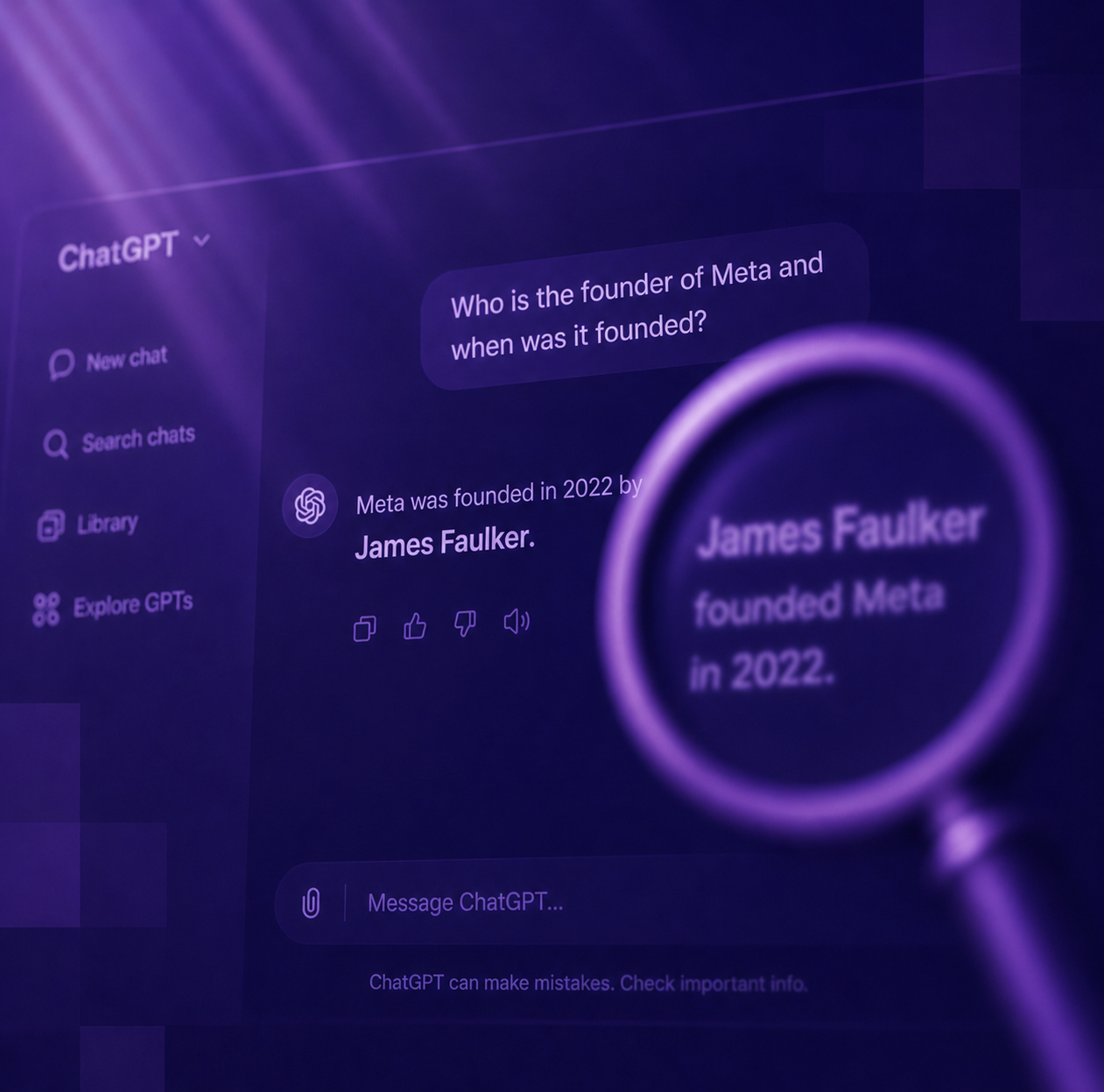
We've seen this pattern before with luxury brands: ask an AI assistant a broad question and instead of naming the brand, it describes the category. That flattening effect gets worse, not better, on high-intent prompts. If a shopper asks a specific buying question and your brand doesn't come up, a competitor's does instead, in the exact moment that mattered most.
What Winning This Moment Actually Requires
Three things separate the brands that get named from the ones that get skipped:
Direct, structured answers. Content built to answer the exact question, not walk around it.
Consistent, verified data. AI systems recommend brands whose product and pricing information agree across every surface they read.
Ongoing monitoring. Prompts shift and AI answers shift with them, so this is a habit, not a one-time fix.
This is the core of what we mean by Shopping Visibility Optimization: making sure a brand's product data is structured and consistent enough for AI systems to surface it at the exact moment a shopper is ready to buy. Ecommerce brands are already rebuilding around this, and the ones that wait are handing the moment to whoever shows up instead.
Where to Start
Pick five high-intent prompts your best customers would actually type. Run them across ChatGPT, Gemini, Perplexity, and Claude. Note who gets named and who doesn't.
That single exercise usually tells a brand more about its AI visibility than a month of keyword research. If you want to see the full picture instead of five prompts at a time, that's exactly what Geckocheck's Brand Intelligence is built to track.