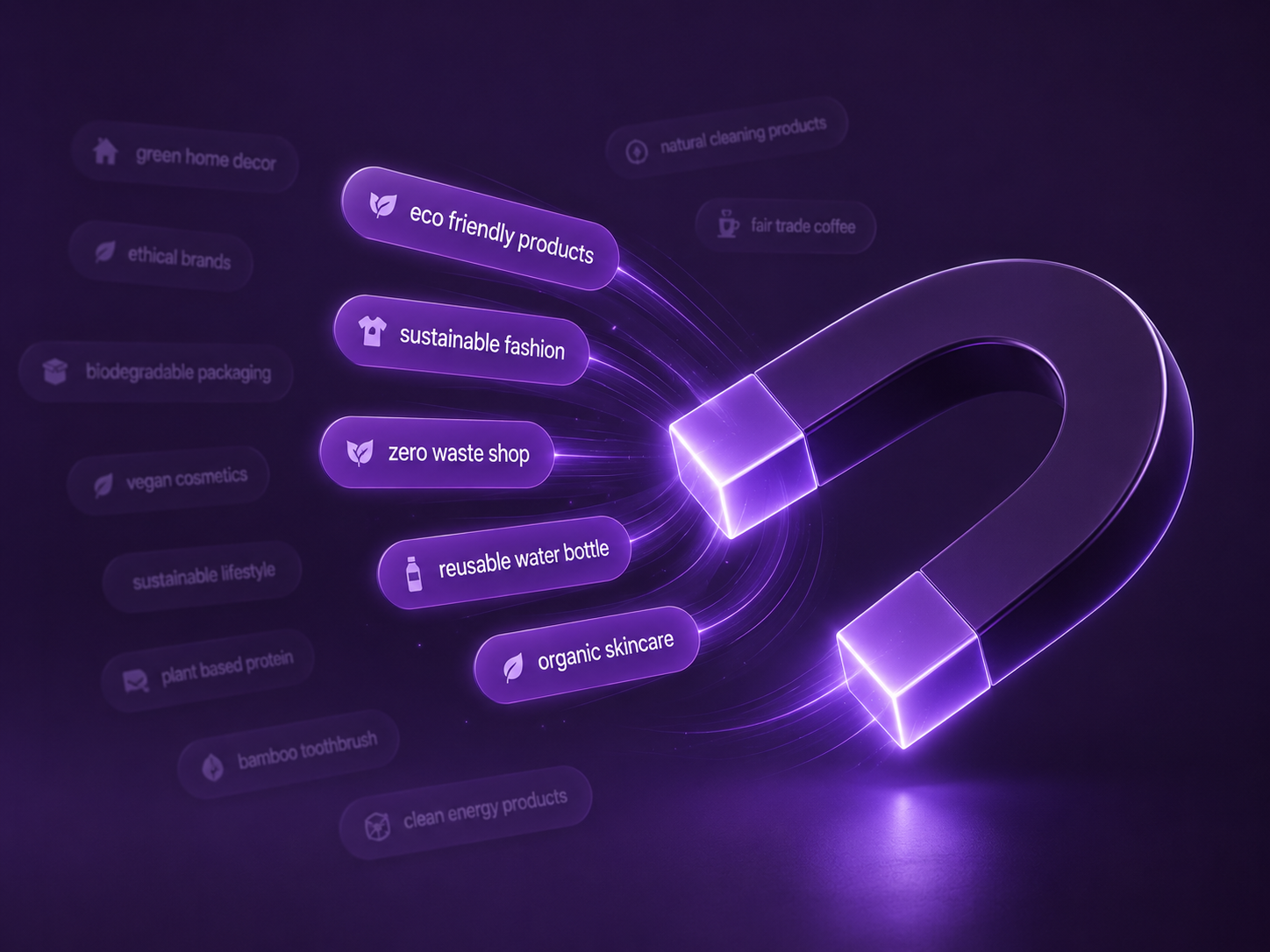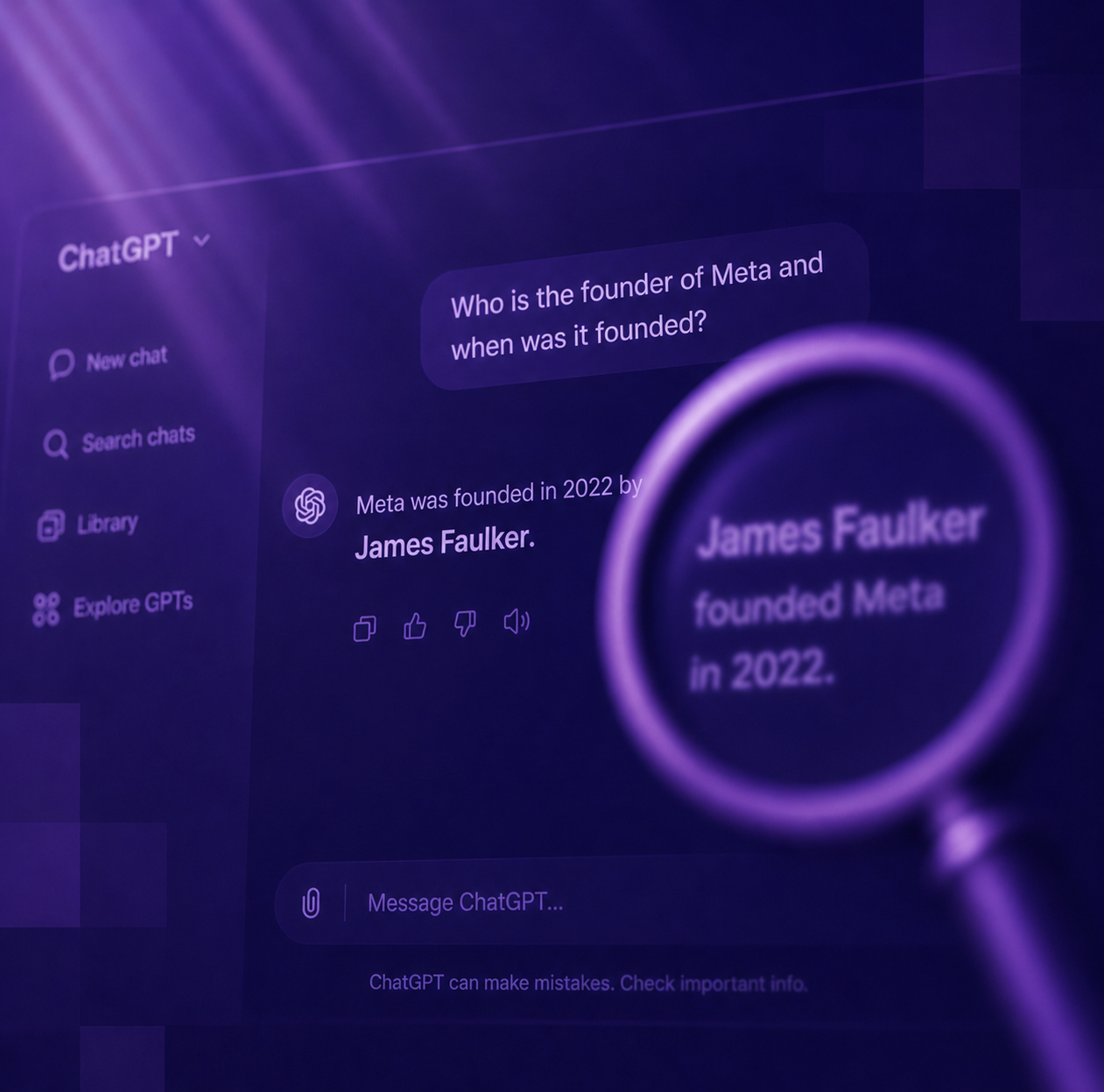
Keyword research for GEO starts the same place SEO keyword research always has, with the words people actually use. What's changed is that half of those words now show up inside a full sentence typed into ChatGPT or Gemini, not a search box. This piece covers what classic keyword research still gets right, the question it was never built to answer, and the research layer GEO adds on top of it.
Key Takeaways |
|---|
Why Keyword Research Isn't Going Away
Keyword research is the practice of figuring out what terms people actually search for, how often, and how hard those terms are to compete for. It has been the foundation of SEO for two decades, and it isn't getting replaced. Search engines still send meaningful traffic, and the terms people type into Google still describe real demand.
What's changed is that keyword research answers a narrower question than it used to. It tells you what people type. It doesn't tell you what people ask.
What Keyword Research Was Built to Answer
Classic keyword research measures a handful of things well: how often a term is searched, how competitive it is to rank for, what intent sits behind it, and what a results page for that term actually looks like. Run those variables through a brainstorm of your own site, your competitors, and a few keyword tools, and you get a ranked list of terms worth targeting.
That list is genuinely useful. It just describes a very specific kind of behavior: someone typing two to four words into a search bar and scanning a page of results. A growing share of your audience isn't doing that anymore.
The Question It Can't Answer: What People Actually Ask AI
People don't talk to AI assistants the way they type into Google. ChatGPT's internal search queries average 5.48 words, roughly 60% longer than a typical Google search.
A keyword tool will tell you “container security” gets a certain number of searches a month. It won't tell you that a DevSecOps lead asked Gemini which hardened image platform actually meets FedRAMP requirements without breaking their CI pipeline. That full sentence, not the two-word fragment, is what decides whether a brand gets named back.
Prompt Mapping: The Research Layer GEO Adds
Prompt mapping is the GEO counterpart to keyword research. The unit isn't a keyword, it's a full question, and the goal isn't a ranked list, it's a citation rate.
Start from real conversations. Sales calls, support tickets, and site search queries are full of the actual sentences buyers use, not fragments.
Write out full prompts, not keywords. A prompt names a budget, a constraint, or a comparison, the way a person actually asks.
Test across models, not one engine. ChatGPT, Gemini, Perplexity, and Claude each surface different sources for the same question.
Track who's cited, not who ranks. The output isn't a position on a page, it's which brand the AI names back.
The content that wins this layer looks different too. Writing content that earns AI citations means structuring pages around direct answers to these full prompts, not around the two or three word terms a keyword tool surfaced.
Where the Two Processes Meet
The two research processes aren't separate tracks that never touch. Every keyword cluster you've already built has a set of prompts hiding underneath it, and ignoring that connection means missing exactly where the exposure sits.
Keyword difficulty scores don't predict that exposure. Nearly 80% of keywords that trigger AI Overviews fall into the 0 to 40% keyword difficulty range, meaning the topics quietly picking up the most AI answer coverage are often the ones a classic keyword tool would rank as low priority.
That's the gap worth closing. Understanding presence in the age of AI answers means cross-referencing your keyword list against what's actually showing up in AI answers, not treating the two lists as unrelated.
Building One Research Habit Instead of Two
The practical move is to stop running keyword research and prompt research as separate projects. For every keyword cluster your team already has, write out the three to five full sentence prompts a real buyer would actually type, run them across the models your category uses, and note who gets named.
That turns a keyword list into something closer to a map of what's actually happening across both search engines and AI assistants. Geckocheck's Brand Intelligence is built to run that comparison continuously, so the two research tracks stay connected instead of drifting apart.